ENG GA
homepage image

Corporate Plan 2025–2029


Welcome Note

Celebrations at the Round Tower Visitor Centre in Clondalkin

As the Council for South Dublin, we strive to be a citizen-first, proactive organisation that serves all of our communities both now and for the future. This document outlines our Strategic Plan for the next five years. It aims to inform all stakeholders of our priorities and ambitions for our County, citizens and communities.

A Quick Note on Definitions
We’ve used a few acronyms and terms in this report that might not be familiar to everyone. If anything feels unclear, you can find helpful definitions in our glossary — just follow this link.


Our Council
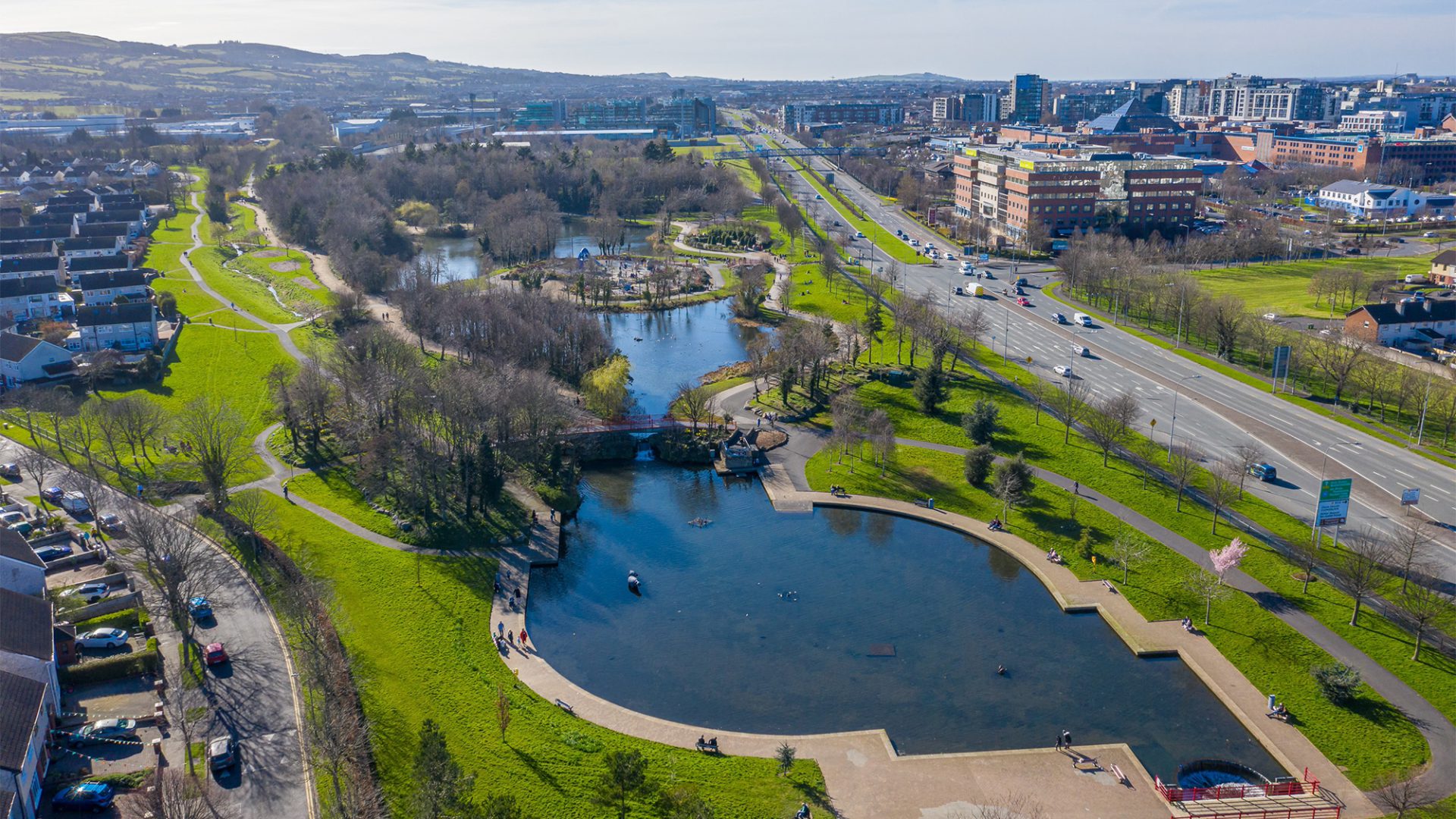
South Dublin — A Profile

South Dublin lies at foot of the Dublin mountains and is bordered to the north by Dublin City and Fingal and to the south by Dun Laoghaire-Rathdown, Kildare and Wicklow. It covers an area of approximately 223 square kilometres.

Democracy

There was a 41.4% voter turnout in the local elections across the county, significantly lower than the national turnout of 49.4%.

Population


33.8% of South Dublin residents speak Irish which is lower than the national average of 37.7%. According to the 2022 Census we have a population of 301,075 people living in 106,074 homes. This represents an 8% increase from the previous census in 2016. This increase is equal to the national figures and is slightly higher than the level of growth in Dublin City.

Demographics


The average age of people living in South Dublin is 36.6, compared to 38.8 nationally. The county has a younger population and a lower number of older people compared to the national average (13% vs. 15%).

14% of residents identify as having a nationality other than Irish, higher than the national average of 13.4%, and 5.9% have a Traveller community background.

Based on the 2022 Census, the county is marked by some of pockets of extremely disadvantaged areas including Tallaght-Jobstown (POBAL Score of -37.25) and Clondalkin-Moorfield (POBAL Score of -37.50).

South Dublin also has areas like Tallaght-Fettercairn, where neighbourhoods that are very affluent and disadvantaged are side-by-side. 7.3% of the population in South Dublin live in affluent areas, compared to 76.8% living in marginally below average areas, 13.1% in disadvantaged areas, and 2.74% in very disadvantaged areas.

Employment

58% of all adults living in South Dublin are in work, 20% are students and 15% are retired. The overall unemployment rate was 8.7% for the county in 2022, which is in line with the national average. Male participation in the labour force is higher than females across every age group. The highest number of people work in are commerce and trade (28.4%, 38,964 persons) and professional services (24.7%, 33,900 persons).

Education


The share of the population achieving a degree/post graduate diploma/PhD was markedly higher in 2022 at 26.7% compared to 19.7% in 2011. This is just below the national average of 27.6%.

Households

Between 2016 and 2022 South Dublin added 7,687 new housing units, bringing the total housing units to 106,074 homes. This is a growth rate of 7.81% which is higher than the national average of 5.41%. Home ownership in the county is on a par with the national average. In 2022, 66% of households in the county owned their own home, with a further 16% renting. This compares with 66% of households owning their home nationally and 28% renting. The vacancy rate is significantly lower than the national average with almost 1 in 10 (9%) properties vacant because owners are in a nursing home/hospital.

A greater share of family units in South Dublin are one parent families with children, which make up 17.3% of all households, compared to 14.6% nationally.

Irish language


33.8% of the population speak Irish, lower than the national average of 37.7%.

As the council for South Dublin, we strive to be a people-first, proactive organisation that serves all of our communities today and for the future.

Making playtime active and joyful — bringing sport and fun together for children in our local community centres.
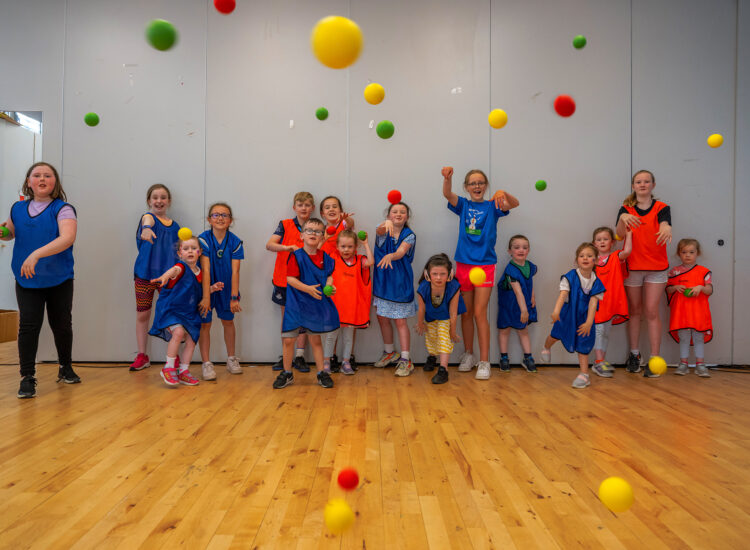
Knockmitten-Family-Fun-Day

Our councillors engaged in a local council meeting in County Hall, Tallaght.
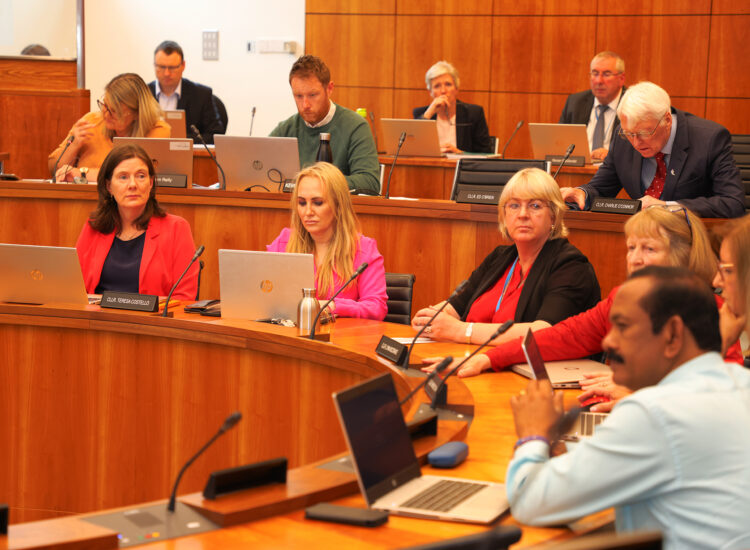
Elected Members

Our 40 elected members represent seven local electoral areas. They were elected in June 2024 and serve until the next local elections 2029. The Mayor, as the first citizen of the county, is a sitting elected member (Councillor). Both the Mayor and Deputy Mayor are elected at the annual meeting by the elected members.

Following the local elections, and the co-option of new members following the general election in October 2024, South Dublin County Council has a majority female elected representatives on the council with 21 female of 40 representatives, which is the highest female political representation in the history of the state.

Our Purpose

Greater opportunity for all

Our purpose is why we exist. ‘Greater opportunity for all’ is our commitment — to individuals, to communities, and to the future. It’s not just a goal but the foundation for everything we do.

We work to remove barriers, empower people, and create real, sustainable paths forward. Every day, we act to realise greater opportunity for all — because when opportunity grows, everyone benefits.

Our Vision

To be a place that meets the needs and ambitions of everyone in South Dublin.

Our vision is a statement of intent. It is our ambition for the future of our organisation and our county: to be a place that meets the needs and ambitions of everyone in South Dublin.

Our Mission

Our mission sets out how we will realise our vision. It is action-oriented, practical and achievable.

By actively listening to our diverse communities, embracing technology and thinking innovatively we will create a resilient county that meets the needs of today and prepares us for the future.

We will harness the talents of our skilled workforce to deliver inclusive and sustainable solutions.

Greater Opportunity for All

Sports facilities for all: accessible climbing at Dublin Climbing Centre, Tallaght

Switching it up a gear at the BMX Pump Track at Jobstown Park
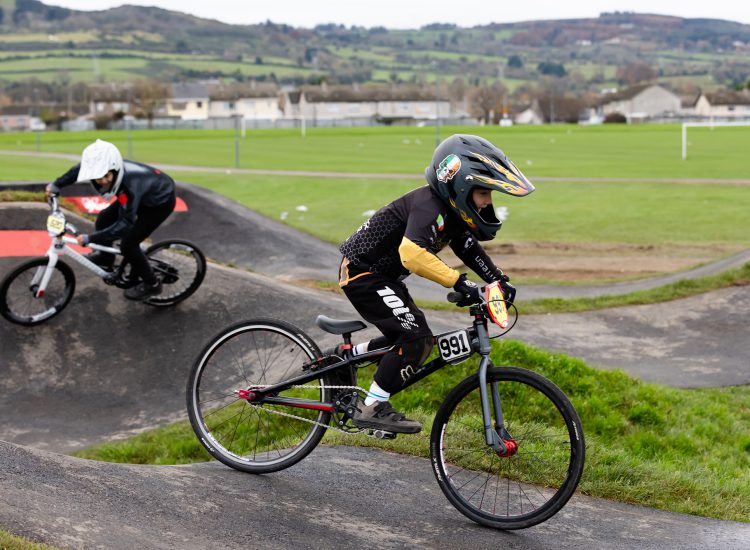
Lafayette

‘Opportunity for all’ isn’t just our purpose. It’s a lens through which we see the world, a standard we hold ourselves to, and a promise to reflect fairness, equity, and inclusion in everything we do.

Our Values

Our values are the guiding principles by which we operate. They act as an internal compass to ensure that we consistently deliver on our organisational beliefs.

Future-focused

We do things differently and aren’t afraid to break boundaries. We don’t take anything for granted – challenging norms and searching for new and better ways of doing things for now and for the future. We are sustainably minded and make informed decisions.

Inclusive and supportive

We are caring, considerate and approachable. We value diversity in our communities and work to engage and connect every one. We work together to achieve more. We believe in collaboration, cooperation and mutual respect for all.

Leading with determination

We get things done and we do things right. We are a community of hardworking people who respect and value those around us. We take pride in our work and lead by example. We trust each other to lead with confidence and deliver with determination.

Accountable and transparent

We are straight-up and up front. We’re smart enough to know that we don’t know everything and that means we value and listen to the voice of every individual. We believe a no-nonsense approach is best. We are open and up front in everything we do.

Hitting those high notes at the Age Friendly Expo at County Hall, Tallaght
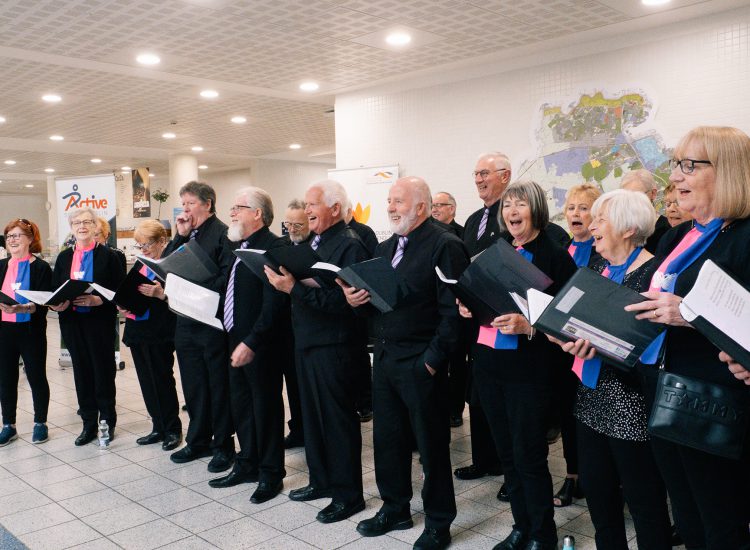
Age Expo

Energising our communities through Park Fitness in Corkagh Park

Democracy & Governance

Democracy

Local government is a vital part of Ireland’s system of national democracy. It ensures accountability and responsiveness to local needs and fosters civic engagement in decision-making. Supporting and strengthening local democracy, enhancing civic engagement, and promoting the leadership role of the Elected Council are core to delivering our vision and mission.

Governance

Our governance is set out in the new Code of Governance for Local Government. It’s about delivering priorities, achieving objectives, behaving with integrity, and acting in the public interest in ways that are consistent with legal, regulatory and government policy obligations. South Dublin County Council is responsible for governance and public service at the local level.

Policy Development

A Corporate Policy Group and six Strategic Policy Committees (SPCs) develop and recommend policy to the Council.

The SPCs are made up of elected members and representatives from business, farming, environment, community and trade unions.

The policy areas of the six committees agreed in the adopted SPC Scheme in September 2024 are:

  • Economic Development, Enterprise
and Tourism
  • Land Use, Transportation and Planning
  • Social, Community, Equality and Integration
  • Environment, Public Realm and Climate Change
  • Housing
  • Arts, Culture, Gaeilge, Heritage and Libraries

Stakeholder Engagement

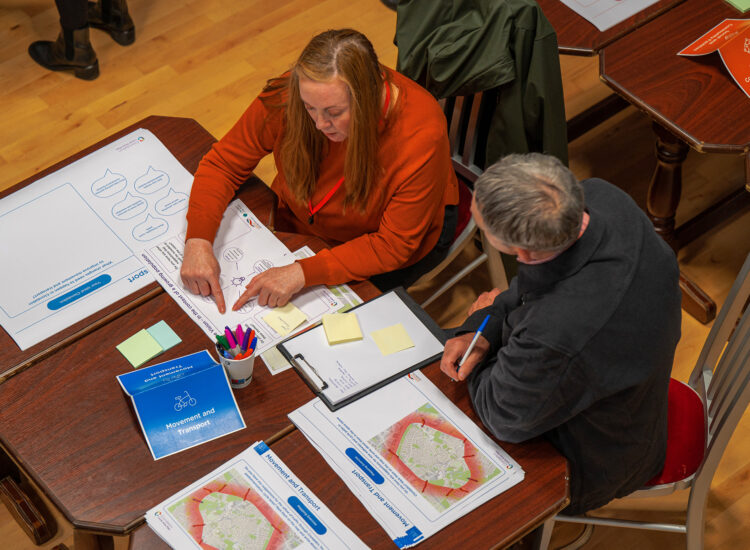
Our communities have a say at the Clondalkin Local Area Plan Public Consultation

The Caption

The council actively supports and engages with the local and community development sector – including organisations representing groups experiencing inequality – through active participation on the Local Community Development Committee (LCDC) and engagement with the Public Participation Network (PPN).

We seek to ensure that the advocacy function of these organisations is adequately resourced and is representative of our community as a whole. A six-year Local Economic and Community Plan (LECP) 2024 – 2029 has been prepared by the LCDC and the Economic Development Strategic Policy Committee (SPC). The Social Inclusion and Community Activation Programme (SICAP) is also managed by the LCDC. It provides funding to tackle poverty and social exclusion through local engagement and partnerships between disadvantaged individuals, community organisations and public sector agencies.

This corporate plan includes a clear link from the council’s goals and priorities to the goals of the South Dublin LECP, in particular to initiatives that enhance the situation and experience of groups experiencing inequality by addressing their specific needs.

Joining the conversation at the Public Consultation at Áras Chrónáin, Clondalkin

Achievements 2019–2024
Our Corporate Plan 2019–2024 achievements:
What you told us

Through our consultation we asked the public ‘What was the Council’s biggest achievement over the last 5 years?’

The following were the most commonly stated responses:

Parks and Green Spaces Development 

The most frequently mentioned achievement involved the development and maintenance of parks, greenways, and other green spaces. Respondents highlighted the Dodder Valley Greenway, Tymon Park, Waterstown Park, and Corkagh Park, as well as smaller parks that became more appreciated during COVID-19.

Sustainability and Environmental Initiatives

Efforts towards sustainability, including greenways, rewilding projects, and climate change mitigation measures, were appreciated. Specific mentions included sustainable public spaces, biodiversity efforts, and the Tallaght District Heating Network.

Housing Development and Social Housing Provision
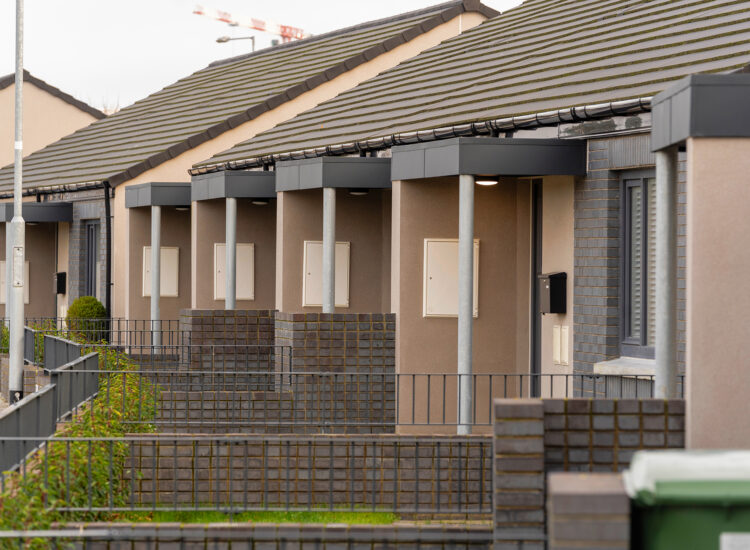

Housing-related achievements, particularly the delivery of social housing and support for affordable housing, were often acknowledged.

Infrastructure and Transportation Improvements

Infrastructure upgrades, including road resurfacing, cycle lanes, pedestrian crossings, and footpath improvements, were frequently highlighted. While some praised these developments, others criticised aspects like underused cycle lanes or perceived traffic issues caused by new infrastructure.

Support for Business Development
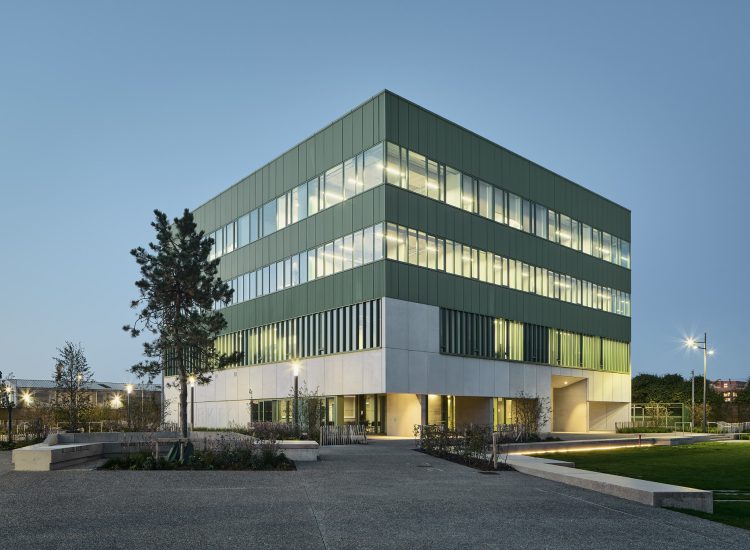
Expansions in Grange Castle and support for local businesses were noted achievements, particularly with respect to the creation of job opportunities and fostering economic growth.

Library Enhancements
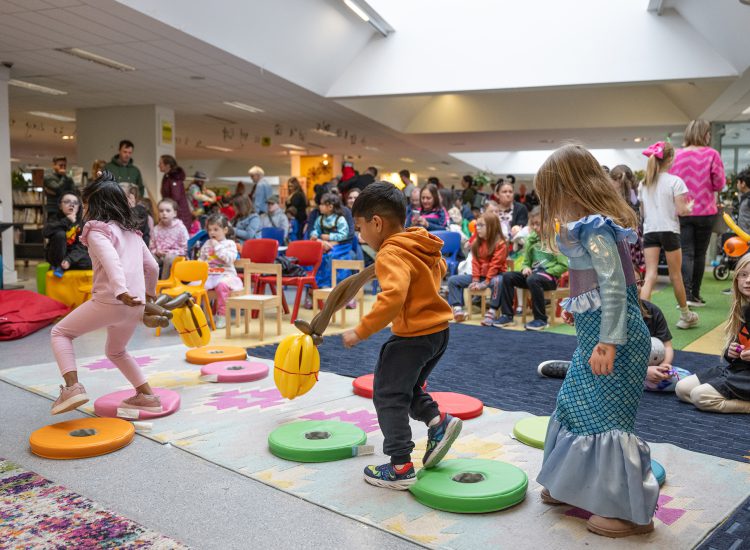
The second most frequently mentioned achievement were library improvements and new library services. The creation of accessible libraries like North Clondalkin Library were noted achievements. Many responses praised the library system for updates, accessibility, and the introduction of remote services and activities.

Community and Youth Engagement
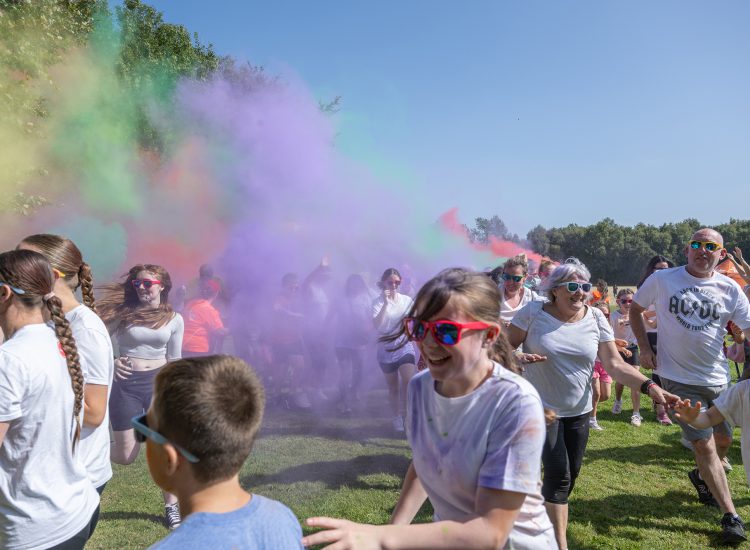
Community engagement activities and support for youth programmes like Comhairle na nÓg were noted as positive achievements. Respondents appreciated well-organised community events and initiatives aimed at youth mental health and inclusion.

Tallaght Stadium and Tourism Development
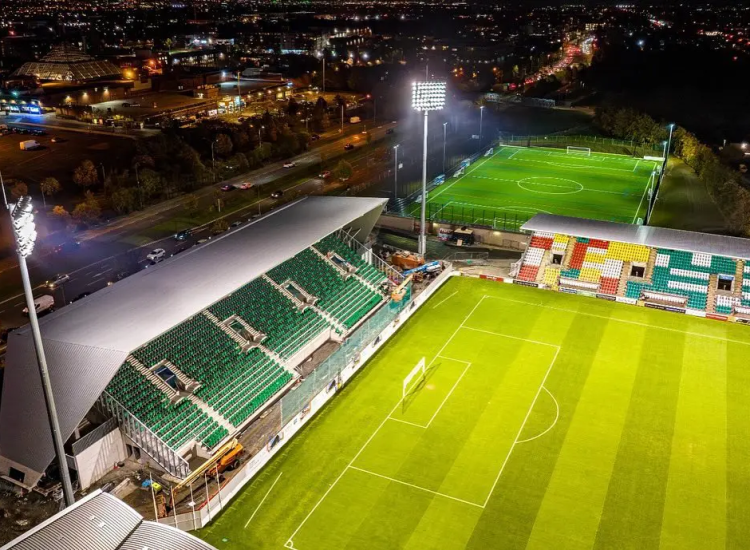
Several respondents noted the redevelopment of Tallaght Stadium and its role in boosting local tourism. Related projects like the Hellfire Club and Innovation Quarters were also appreciated.

COVID-19 Response and Community Resilience
The council’s response during the COVID-19 pandemic, including waste management and park accessibility, was highlighted positively. Respondents appreciated the council’s resilience and adaptations during the crisis.

Equality and Human Rights Initiatives
Initiatives related to public sector equality, human rights duties, and inclusivity efforts were mentioned by some respondents. These included the council’s focus on providing resources for diverse groups and ensuring accessibility.

We’re proud of what we’ve achieved together and we’re just as committed to continuing that journey, always looking for ways to do better.

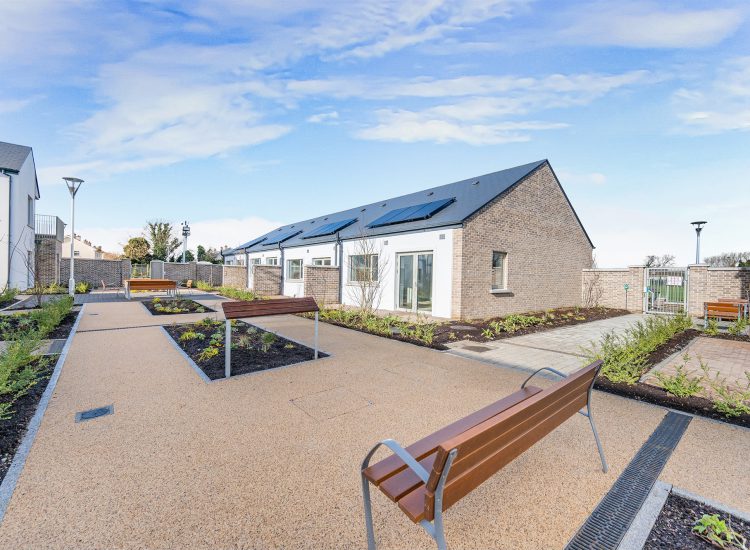
Brady’s Court: a new development of Age Friendly houses, as part of the housing initiative by Age Friendly Ireland

The Caption

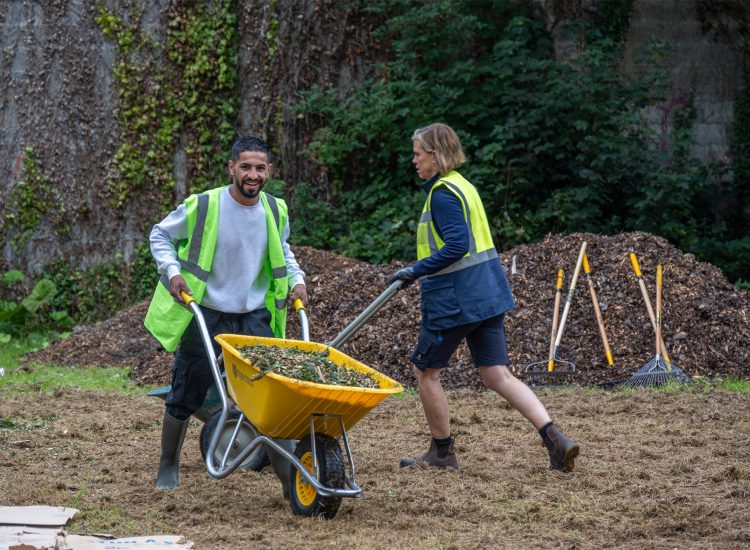
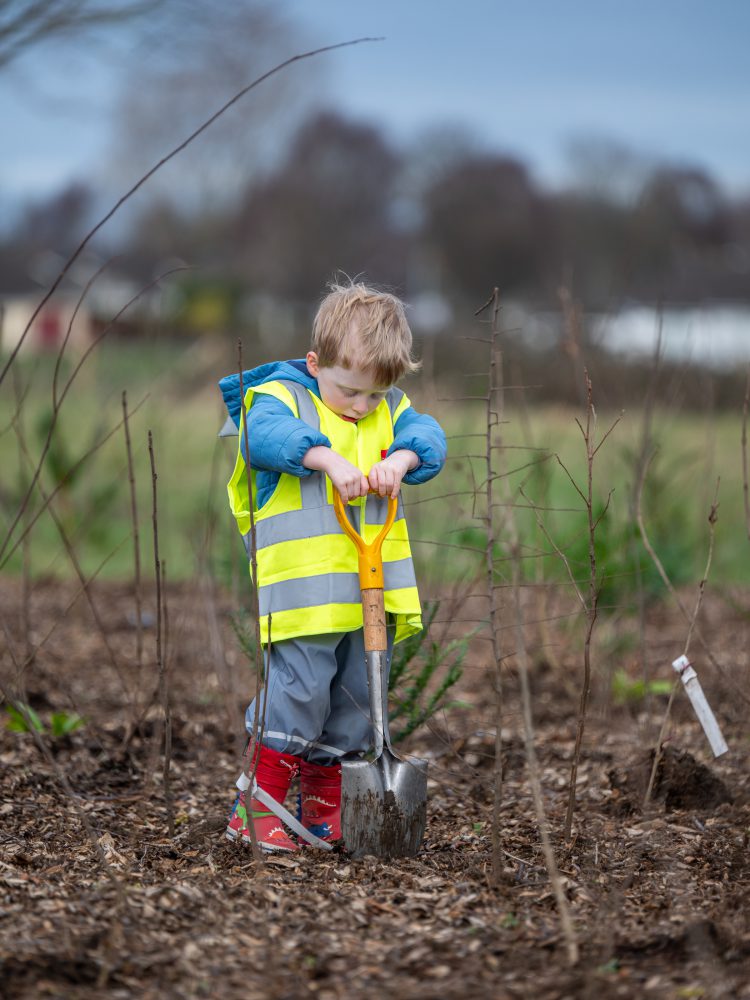
Small hands, big impact: a young participant gets stuck in at the successful rewilding initiative in Clondalkin Park
The Caption

Services and Infrastructure

South Dublin County Council delivers over 800 individual public services. As we endeavour to become an ever more people-first organisation, designing services that involve all stakeholders becomes a priority. The council also has a significant body of work under the National Planning Framework and Project Ireland 2040 across housing, transportation, community and economic development.

Through consultation and active listening to residents, communities and customers, we will put their needs and experience at the centre. This way we hope to build trust and confidence in local government and make South Dublin a truly great place to live, visit and do business.

Our Principal Services

Services include the provision of facilities, programmes, grants and events.

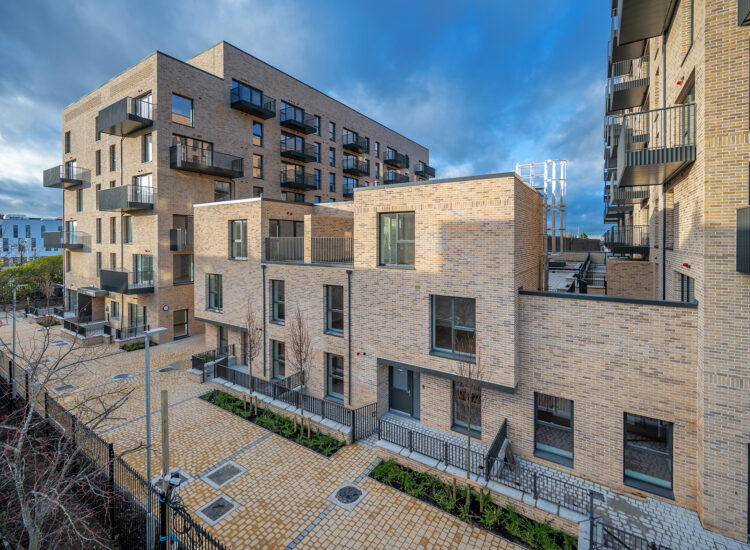
A new housing development takes shape at Innovation Square, Tallaght
  • Climate action and biodiversity, environmental services, emergency services, major emergency management, waste and enforcement, public realm management and maintenance, water and drainage services

  • Housing including social housing programme, housing allocations, maintenance and refurbishment, social services, estate management

  • Economic development, enterprise support, promotion of the county for investment asset management, county promotion and tourism development

  • Placemaking including forward planning, development management, building control, transport planning, management and road safety, heritage and architectural conservation

  • Community development, community safety, age-friendly, integration and social inclusion initiatives, sports programmes, health and well-being initiatives

  • Arts and cultural development, leisure and recreation, library services, festivals and events, Irish language promotion

  • Electoral register, local elections, support for council structures and civic engagement, customer services, corporate governance, financial management, HR, IT, legal and architectural services

Through essential services and infrastructure, we deliver the systems, spaces and supports that keep the county moving forward.

New roots at Avonmore Road: native trees planted for a mini woodland

Mountain biking made easy at Massey's Wood, Killakee

The Caption

How This Plan Was Developed

Introduction

We set out to make this plan not only robust and evidence-led, but to ensure that a wide range of stakeholders were consulted and had their voices heard. This section focuses on how the plan was developed.

Empowering staff with leadership talks from the Local Enterprise Office, South Dublin
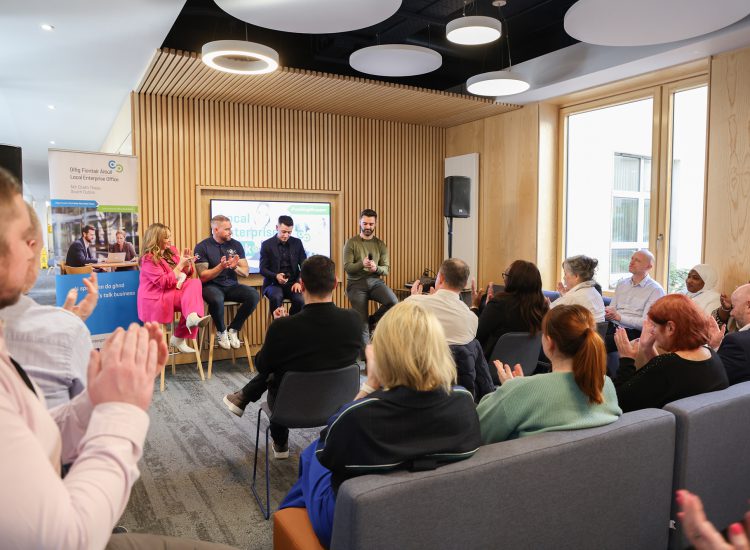
Age Expo

Coming together as a community for the good of the planet — the launch of Climate Action Week at County Hall, Tallaght
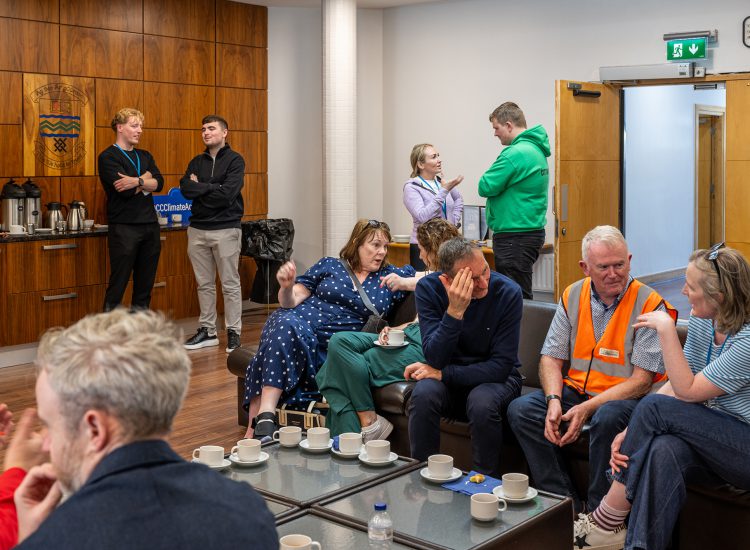
Community Engagement

This plan has been developed using the findings of a comprehensive analysis of multiple data points, mapping existing source materials, and primary research:

1.

We analysed census data and national, regional and local policies, and legislative requirements.

2.

We mapped the 17 UN Sustainable Development Goals and the 7 LECP goals with the goals of this Corporate Plan to show their alignment.

3.

We conducted a human rights and equality impact assessment to ensure the full range of equality and human rights issues are appropriately addressed.

4.

There was regular engagement with the Corporate Policy Group throughout the preparation of the plan.

5.

Extensive public consultation and engagement was carried out with the public, Councillors, Council employees and the PPN:

— Online public consultation: 493 responses
— Online employee survey: 159 responses
— 4 Councillor focus groups with 19 participants
— 4 employee focus groups with 214 participants
— 1 PPN Executive focus group with 6 participants
— 59 external stakeholder groups contacted

Public Consultation: summary of the issues identified

The public consultation process saw high participation levels from both the general public and key stakeholder groups. Over a three month period input was gathered through online surveys, focus groups and workshops. There was strong consistency in the key issues identified, which can be grouped into the following high-level areas:

  • Housing delivery, affordability, diversity of type, and associated infrastructure
  • Community development, integration and inclusion, safety, community infrastructure, youth facilities, and better communication of SDCC services
  • Climate action, biodiversity, flood prevention, infrastructure resilience, retrofitting, energy-saving initiatives, innovation and community engagement
  • Economic development through education, enterprise, investment, the night-time economy, the creative industries, tourism, and supportive infrastructure
  • A more innovative and responsive organisation across customer services, communication, civic engagement, digital service delivery, employee recruitment and retention
Our Equality and Human Rights Duty

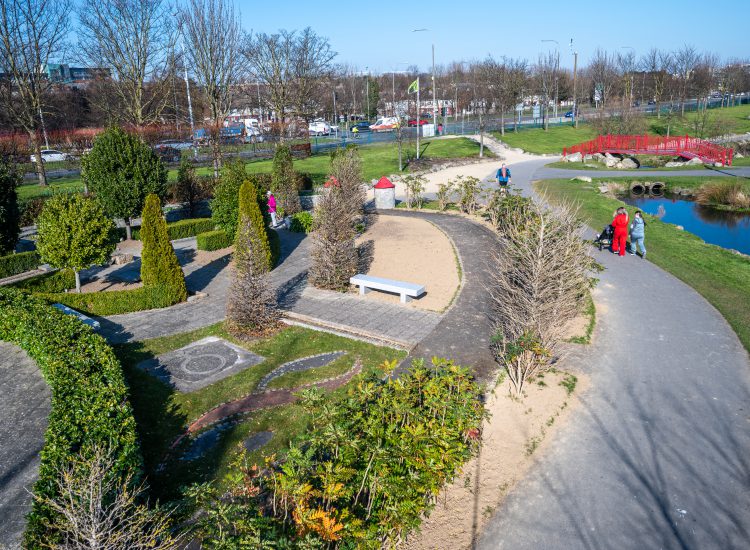
Seán Walsh Park, a key green space in South Dublin’s public park network

SDCC – Sean Walsh Park

Carrying out our public sector equality and human rights duty (Section 42, Irish Human Rights and Equality Commission Act 2014) is the cornerstone of accessible and inclusive public services.

It brings a critical focus on the importance of doing everything we can to eliminate discrimination, promote equality of opportunity, and protect human rights for service-users, elected members, employees and policy beneficiaries, in the implementation of all our functions. The development of a Corporate Plan is a key moment in the implementation of the Equality and Human Rights Duty. Our ambitions in relation to and compliance with the Duty have been a key focus at all stages of preparation, consultation and drafting of this Corporate Plan.

The council is committed to creating and sustaining the conditions for an effective implementation of the Duty:

  • Senior Management give leadership for implementation of the Duty.
  • Corporate Services coordinates and enables the ongoing implementation of the Duty, convening the cross-organisational Equality and Human Rights Duty working group and ensuring all reporting is publicly available on the council’s website in accessible formats.
  • The council’s Equality and Human Rights working group develops and co-ordinates the implementation of annual action plans, based on commitments made in the annual Service Delivery Plans, to give effect to our Equality and Human Rights Duty Framework.
  • Ongoing staff training builds awareness and skills on non-discrimination, equality and human rights.
  • Internal action is taken to strengthen and sustain an organisational culture committed to equality and human rights, rooted in our equality and human rights values: respect; participation; accessibility; and inclusion.

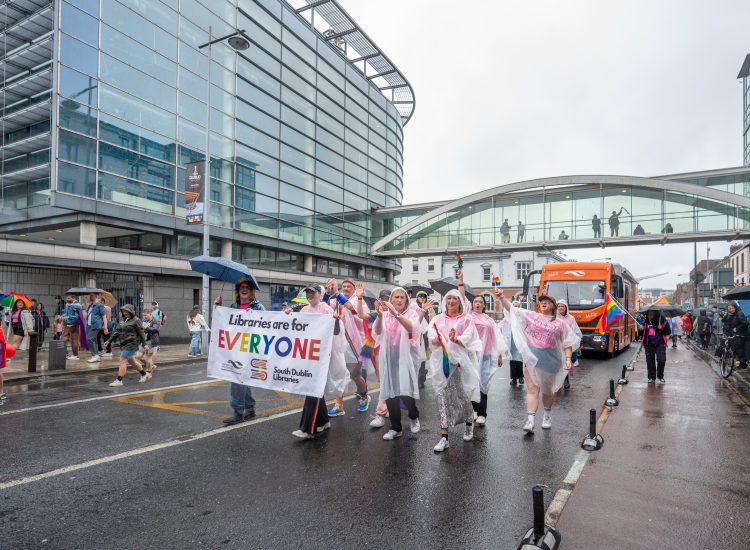
March with pride, celebrating community at the Pride Parade, 2024

Pride

Our Duty – Our Approach

As a fundamental input into this Corporate Plan, our approach to Public Sector Equality and Human Rights Duty needed to be thoroughly considered. We took a three-step approach to ensure compliance with the requirements of the Act:

Making sport for everyone — inclusive badminton now available through our Active Inclusion programme

Accessible Climbing

Step 1

Assess

Step 2

Address

Step 3

Report
Step 1: Assess

South Dublin County Council has undertaken an evidence-based and participative assessment of the human rights and equality issues facing the identified groups for the Duty that it believes to be relevant to its functions and purpose, and has made this publicly available here.

The equality and human rights issues facing the identified groups for the Duty are framed by our equality and human rights values. Nine of these issues were identified from the overall assessment made as a priority to be addressed directly under the Corporate Plan 2025–2029. These are set out as follows:

Respect

  • Discrimination, both at an individual level and a systemic level.
  • Stereotyping, bias, incorrect assumptions, and prejudice that shape: the external environment, internal decision-making; and expectations of and choices made by the identified groups.

Participation

  • Under-representation of the identified groups in politics and in leadership positions within politics and political arenas, and lack of participation in electoral voting.
  • Inadequate or inappropriate consultation processes for and lack of consultation with the identified groups, and under-representation of the identified groups on structures and committees that influence or make decisions.
  • Absence of organisation or under-resourced organisation within identified groups to enable effective involvement in consultative and representation in participative processes.

Accessibility

  • Failure to take account of difference and to adapt for and respond to specific needs of people from the identified groups, including inadequate or inappropriate engagement with people from the identified groups to identify specific needs and how best to address these.

Inclusion

  • Low levels of employment, and high levels of unemployment, under-employment, and long-term unemployment across the identified groups.
  • Homelessness, poor living conditions, inappropriate housing, and overcrowding experienced by the identified groups.
  • Digital exclusion and inequality in terms of lack of equipment and infrastructure, and of lack of skills and knowledge among the identified groups.

Putting equality, human rights, and fairness at the heart of everything we do: this Corporate Plan reflects our commitment to making meaningful change for everyone we serve.

Step 2: Address


South Dublin County Council has developed a Public Sector Equality and Human Rights Duty Framework to guide and direct ongoing and strategic implementation of the Duty.

The Framework includes:

  • the values that motivate SDCC’s concern for equality and human rights, which capture SDCC’s ambition in implementing the Duty
  • the evidence-based and participative assessment of equality and human rights issues
  • the actions to enable an ongoing implementation of the Duty
  • the ongoing manner in which the Address step of the Duty will be implemented in the development or review of plans, policy strategies, programmes and schemes, and internal policies and procedures, and in a strategic manner through targeted policies, plans and actions that directly address human rights and equality issues as assessed; and the manner in which the Report step of the Duty will be implemented
  • annual action plans – under the lifetime of the Corporate Plan 2025–29, and informed by the annual Service Delivery Plan, the working group will prepare annual action plans, to give effect to the Public Sector Equality and Human Rights Duty Framework. All plans, policies, strategies, programmes and schemes, and internal policies and procedures will, in an ongoing manner, be subject to an equality and human rights impact assessment when under development or under review. This means the full range of equality and human rights issues identified in the assessment will be adequately and appropriately addressed. The council has, in a strategic manner, also put in place targeted policies, plans and actions that address a range number of the human rights and equality issues identified in the Assess step above, including Age Friendly, Traveller Accommodation Programme, and Housing Disability – and further such steps will be taken, as found necessary.
Step 3: Report


The Equality and Human Rights Working Group is responsible for gathering data and information from the relevant departments to report annually on progress in implementing the Duty and in addressing the equality and human rights issues. We will report on the developments and achievements under this framework in our annual reports throughout
the lifetime of this plan.

South Dublin’s decision-making hub — the SDCC Council Chamber, Tallaght

The Caption

UN Sustainable Development Goals

As part of the plan-making process, our goals and strategies were mapped against the 17 United Nations Sustainable Development Goals (SDGs). We identified 12 SDGs to show areas where we are making a high, moderate or low contribution. Over the course of this plan, we will continue to develop ways to frame our work in the context of the SDGs. Linking the goals and priority objectives of this plan to the SDGs is the first step.

High Contribution

Sustainable Cities and Communities
Good Health and Wellbeing
Climate Action
Responsible Consumption and Production
Partnerships for the Goals

Moderate

Quality Education
Gender Equality
Industry, Innovation and Infrastructure
Reduced Inequalities
Affordable and Clean Energy
Decent Work and Economic Growth
Life on Land
Peace, Justice and Strong
Institutions

Low

No Poverty
Clean Water and Sanitation
Zero Hunger
Life Below Water

Together with our commitment to fulfilling the requirements of the Public Sector Equality and Human Rights Duty, the council will actively support the 2030 Agenda for sustainable development – to endeavour to eradicate poverty in all its forms, ending discrimination and exclusion, reducing the inequalities and vulnerabilities that leave people behind and undermine the potential of individuals and of humanity as a whole.

Integrating the Local Economic and Community Plan (2024–2030)

In addition to alignment with priority UN Sustainable Development Goals, we mapped our plan and goals against those of the Local Economic and Community Plan. As local government and local development entities with a shared mission to serve and develop our community and economy, this alignment enables our plan to be deployed with maximum impact and efficiencies.

LECP Goals

  1. For the County of South Dublin to become a better place in which to live and work.
  2. To improve the physical and mental health of those living and working in South Dublin.
  3. Increase access to education, up-skilling and lifelong learning to further meet the social and economic needs of residents and employers now, and into the future.
  4. Fairness, collaboration and innovation to be at the core of South Dublin’s transition to becoming a low carbon County.
  5. Empower communities through SMART initiatives and skills development to help make their areas better places in which to live, work and visit.
  6. For society within South Dublin County to be more inclusive, equitable and welcoming of diversity.

Legal and Statutory Framework

This Corporate Plan serves as South Dublin County Council’s strategic framework for action for the period 2025–2029. It has been prepared in compliance with the Local Government Act 2001 and the Local Government Reform Act 2014. The Plan recognises and takes into account a range of existing local, regional, national and European policies, strategies and plans in relation to programmes and activities that are central to our goals and priority objectives for the next five years.
A full list of the range of legislation and policies and plans that were analysed for the making of this plan is available here.

Creating space for all — Griffeen Valley Dog Park is part of our inclusive parks and playspaces network

Service Level Agreements and Shared Services

The council have entered into Service Level Agreements and Shared Services with other public bodies to generate significant savings and efficiencies, and to improve our capacity to deliver more strategic and targeted services to our community. A full list of our Service level Agreements and Shared Services is available here. As part of a shared commitment to implement the Public Sector Equality and Human Rights Duty, the Equality and Human Rights Working Group will take steps to ensure such service level agreements are adequately reflective of the Public Sector Equality and Human Rights Duty.

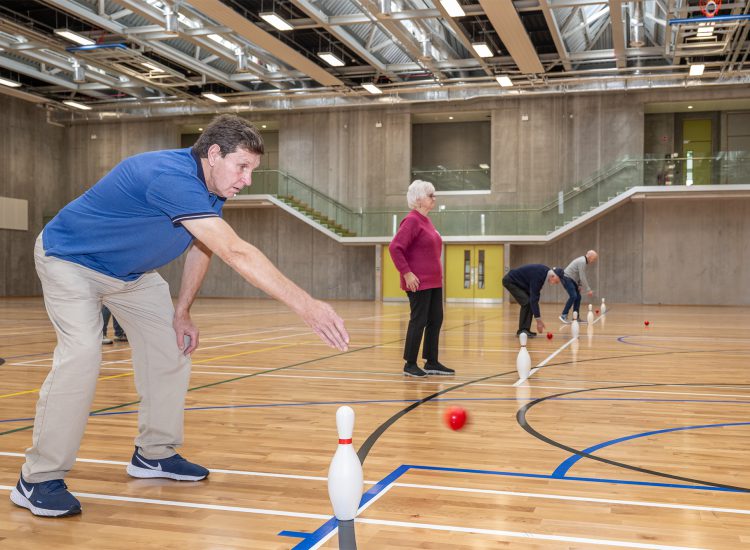
Striking up fun and friendship: age friendly bowling, part of South Dublin’s Active Age programme

The Caption

Our Goals and Strategies for 2025–2029

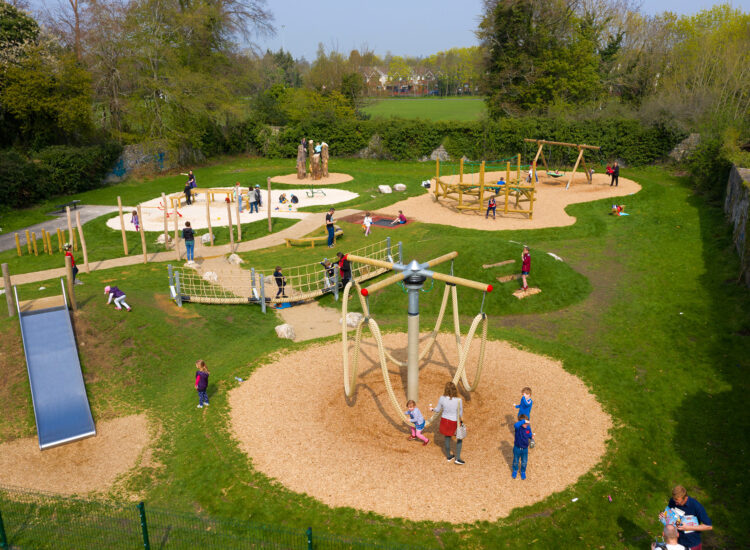
Willsbrook Park: an integral site within our inclusive playspaces network

Introduction

The following seven goals represent our ambitions to improve life in our communities, strengthen our economy and support our environment. Each goal has a number of associate strategies that form our broad action plan for the next five years.

Our Seven Goals

Climate Leadership

Lead a just transition towards net zero

Quality Housing

Provide quality social and affordable homes for everyone who needs them

A Thriving Economy


Make South Dublin the best possible place to do business

A Better Place 


Deliver the infrastructure and facilities required to serve our growing population

Connected Communities


Support our communities to be integrated, inclusive and safe

Cultural Richness


Create a vibrant culture for all to enjoy

People-first


Be a people-centred organisation

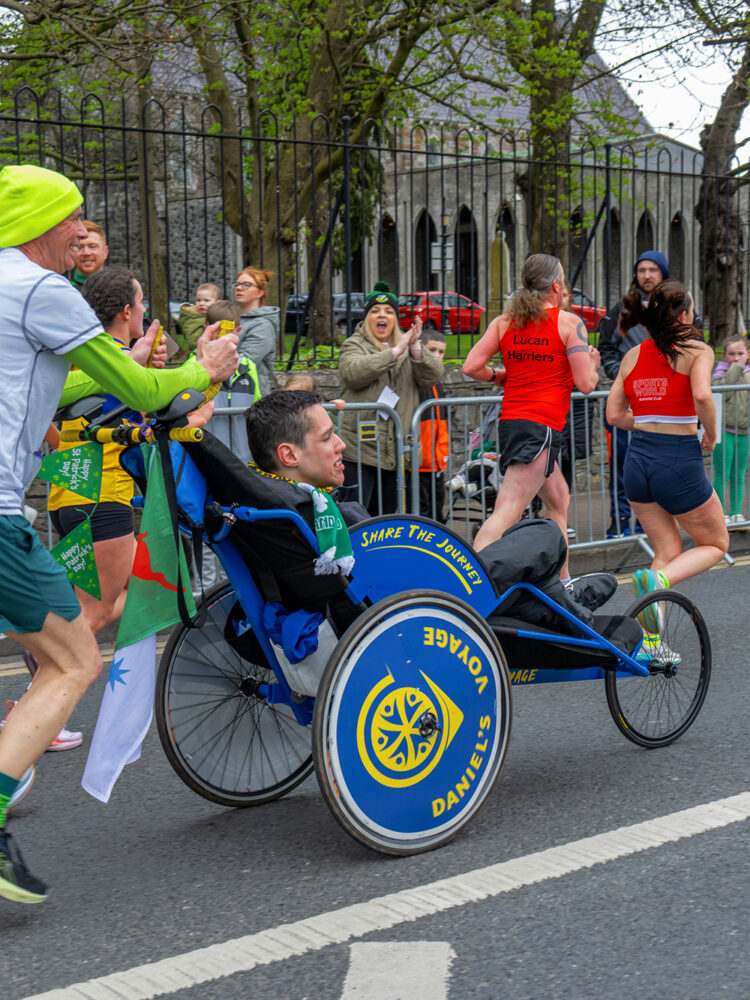
Stepping into St. Patrick’s Day with the Tallaght Athletics Club 5K run

The Community Cycle at Dodder Valley Park, an event fostering outdoor activity and community engagement

Climate Leadership

Lead a just transition towards net zero
  • Make South Dublin a low carbon and climate resilient county
  • Protect property and infrastructure from flooding
  • Actively engage and inform all communities on climate action in a way that is accessible to all
  • Protect and enhance our green infrastructure and biodiversity
  • Promote sustainable and accessible transport initiatives and encourage a shift towards their use

Quality Housing

Provide quality social and affordable homes for everyone who needs them
  • Deliver a range of high quality social and affordable housing for people of all housing needs – taking account of the needs specific to the diversity of people and with a special focus on people experiencing homelessness
  • Upgrade our council housing stock, including Traveller-specific accommodation, to ensure it is safe, secure, energy efficient and well-maintained
  • Promote sustainable communities by implementing resilient land use planning and sustainable development across the county
  • Promote inclusive communities through estate management policies that engage the full diversity of communities and enable respectful interactions
  • Target housing, accommodation and homelessness services and initiatives towards the diversity of groups experiencing inequality ensuring a design and delivery that meets their specific needs

A Thriving Economy


Make South Dublin the best possible place to do business
  • Proactively develop capabilities and create a dynamic business environment to support and grow business
  • Drive inward investment, foreign direct and indigenous, creating an economic landscape for enterprise, innovation and the smart economy
  • Realise South Dublin’s potential through the development of visitor attractions and its tourism brand, enhancing visitor experiences and building tourism partnerships
  • Bolster the local economy though operational excellence – enhancing public procurement transparency, ensuring rapid payment cycles, and leveraging digital technologies for seamless transactions
  • Enhance the local economy by taking a human rights and equality based approach as an employer and public service provider

Our seven goals are built on a strong foundation of research, community insight, and careful mapping of the bigger picture, both locally and globally.

A Better Place

Deliver the infrastructure and facilities required to serve our growing population
  • Optimise the use of our assets through active land management to support sustainable development
  • Promote and enhance the built environment while protecting our natural and cultural heritage, upholding the principles of universal design
  • Manage the county’s parks and open spaces to deliver economic, environmental, and social benefits that cater to the full diversity of our communities
  • Manage our regulatory responsibilities to safeguard our environment

Connected Communities 


Support our communities to be integrated, inclusive and safe
  • Foster empowered, inclusive, mutually respectful, resilient and safe communities, in collaboration with our partners and citizens
  • Build strong, informed and inclusive civic engagement with participation across all communities and groups experiencing inequality
  • Promote the use of digital channels of communication, and address digital inequalities
  • Invest in community infrastructure, prioritising groups experiencing inequality, with a focus on place-making, reducing inequalities, fostering organisation, enabling voice and advocacy, and enhancing safety, health, and wellbeing outcomes for all and upholding the principles of universal design

Cultural Richness


Create a vibrant culture for all to enjoy
  • Drive the council’s arts, cultural, and library services as key enablers of economic growth, innovation, recognition, visibility, diversity, and community development
  • Promote and support the use of the Irish language as a living language
  • Enhance diversity, inclusion and equity for migrants across all aspects of Irish society through increased focus on social inclusion measures, improved access to public services and targeted action to address racism and xenophobia

People-first

Be a people-centred organisation
  • Operate as a seamless and integrated organisation, with a unified purpose, harmonised efforts and common ambition dedicated to providing exemplary services and outcomes for all customers and service users
  • Work to eliminate all forms of discrimination, promote equality of opportunity, and protect human rights for service-users, policy beneficiaries, elected members and employees, in the implementation of all our functions
  • Transform public services by delivering user-centric, inclusive services and digital solutions, accounting for and addressing digital exclusion and inequality
  • Develop and support a talented and diverse workforce within an inclusive and accessible work environment to improve innovation, productivity and performance
  • Deliver high standards in corporate governance through an efficient, effective, transparent and accountable organisation

How We Will Deliver Our Goals

Introduction

Our goals are rightfully ambitious. In order to have a positive impact on our community and economy they also have to be demonstrably achievable.

The following part of the report focuses on how we will deliver our goals and the targets and indicators we will use to measure our progress.

Ongoing Monitoring and Reporting

The Corporate Plan serves as our overarching framework. It is further translated through specific actions outlined in the Capital Programme and Annual Service Delivery Plans for each service area, whilst closely aligning with our annual budget planning and risk management processes.

An annual report on the implementation of the Corporate Plan will detail our progress on objectives and supporting strategies, as well as provide updates on high-level performance measures. This report will also evaluate the impact of available resources – financial, human and technological – while assessing potential risks and mitigation strategies related to the Plan’s key deliverables.

Additionally, Monthly Management Reports to the Council will keep the Elected Members and the public up to speed with our activities and achievements throughout the year.

This detailed planning, execution and reporting strategy allows us to effectively translate our overarching objectives into tangible outcomes, ensuring that Council activities remain aligned with our mission and are responsive to the needs of the people of South Dublin.

Resourcing this Plan

In November 2024 the new Council adopted a revenue budget for 2025 that provides overall expenditure of €391,942,200 to deliver services and development programmes in that year. The organisation’s workforce at the end of 2024 is 1,280 whole-time equivalent employees, with an estimated payroll cost for 2025 of 21% of the total revenue budget.

The three-year rolling Capital Programme for 2025–2027 plans for further expenditure in the county’s infrastructure and facilities of more than €1.855 billion over three years; an increase of 17% on the 2024–2026 programme.

The alignment of our strategic workforce plan with the Corporate Plan, annual business planning and budgetary processes will ensure that the organisation can plan for and provide a workforce that has the skills, competence and resourcing levels needed to deliver on our priorities.

Responding to Challenges

As our operating environment continuously evolves, the ability to respond to challenges is a constant consideration. We must work ever-more collaboratively internally, with multiple government departments and external partners to deliver improved accountability, greater access to information and faster responses.

By harnessing digitalisation in public services, we can drive a step-change in how people, businesses, and policy makers interact – enabling seamless interaction across all levels of government and public services. Our council will work harder to ensure that in digitalising public services, we take a user- and business-first approach, addressing digital exclusion and inequality. This will lead to trusted, high quality digital services, delivered in a non-discriminatory, inclusive, and sustainable manner.

Cybersecurity is a major challenge for both the public and private sectors. We are committed to safeguarding against attacks by implementing a comprehensive security management system, along with enhanced training and awareness-building initiatives for all employees and service users.

We also have a critical role in responding to unforeseen and emergency events – particularly in coordinating and managing adverse weather conditions. Beyond effective response efforts, the council is tasked with delivering infrastructure projects to mitigate or eliminate risks posed by unforeseen challenges.

The growing frequency and impact of such events, including those driven by technological advances, demands an agile, increasingly outward-facing and forward-thinking approach. By thinking innovatively to address the challenges we face, we will design and deliver on-the-ground solutions that positively impact the quality of life of our communities.

Continuous Consultation and Engagement

For the duration of this plan, we are committed to leading a citizen and stakeholder engagement process similar to that undertaken in the preparation of this strategy. We will ensure that the diverse range of our communities are represented and that the voices and perspectives of those groups experiencing inequality are heard as part of this process.

By doing so we will assess the public’s perception of how we are doing and measure the impact of our work on the quality of life in South Dublin.

An Evidence Based Approach

The key performance indicators will measure our progress annually in implementing this plan. Where possible and appropriate, the data under each indicator will be disaggregated across the identified groups for the Public Sector Equality and Human Rights Duty. The data under each indicator will be published in the Annual Report for each year over the lifetime of the Corporate Plan. The indicators are in addition to the National Oversight and Audit Commission (NOAC) performance indicators that we also report on annually.

Our targets and performance indicators for each goal are set out below.

Creating accessible, comfortable homes for all ages at Brady's Court, an age friendly development

The Caption

Mini woodland native tree planting initiative — enhancing local biodiversity and green spaces

The Caption

Goal

Climate Leadership

Lead a just transition towards net zero

Target

  • 50% improvement in the council’s energy efficiency by 2030
  • 51% reduction in the council’s greenhouse gas emissions by 2030
  • Make Dublin a climate resilient region, by reducing the impacts of future climate change-related events
  • Actively engage and inform our communities on climate action

Indicator

  • Number of Climate Action events
  • Number of properties protected by flood protection schemes
  • Number of business energy efficiency grant approvals
  • Number of contracts awarded that use Green Public Procurement criteria
  • Number of retrofit works to improve the energy efficiency of council-owned buildings
  • % of fleet and machinery decarbonised
  • Number of initiatives targeted on groups experiencing inequality to enable a just transition
  • % of climate actions being progressed from the Climate Action Plan 2024–2029
  • % Local authority energy savings
  • Number of environmental inspections
Improvement in the council’s energy efficiency by 2030
0%
Climate actions being progressed from the Climate Action Plan 2024–2029
0%

Goal

Quality Housing

Provide quality social and affordable homes for everyone who needs them

Target

  • Provision for 15,576 new housing units in the County during the lifetime of the County Development Plan 2022–2028 i.e. combined total of housing by SDCC and developers
  • Housing for All 2022–2026 targets for SDCC of 3,671 new social homes comprising 3,341 new build homes and 290 leased homes
  • Completion of the Housing Energy Efficiency Retrofit Programme
  • Implementation and monitoring of the Housing Disability Strategy
  • Implementation and monitoring of the Traveller Accommodation Programme

Indicator

  • Number of homes we will provide across all tenures
  • % completion of planned housing maintenance programmes
  • % of housing stock upgraded under the energy efficiency retrofit programme
  • Number of vacant homes / derelict sites
  • Number of planning applications for private homes approved
  • Number of private homes commenced development
  • Number of building control inspections
  • Number of targeted initiatives to ensure homeless services are designed and provided to meet the specific needs of the diversity of homeless people across the identified groups for the Public Sector Equality and Human Rights Duty
New housing units in the County during the lifetime of the County Development Plan 2022–2028 (combined total)
15,576
Our Housing for All 2022–2026 target of new social homes comprising 3,341 new build homes and 290 leased homes
3,671

Goal

A Thriving Economy

Make South Dublin the best possible place to do business

Target

  • City Edge Strategic Framework Area progress towards target of 75,000 jobs in the delivery of the masterplan
  • Realisation of medium to high growth in tourism set out in the Tourism Strategy 2024 –2028, where: medium growth = 5% in revenue (€175m) and jobs (to 4,721 jobs), or high growth = 7.5% in revenue (€197m) and jobs (5,311 jobs)
  • 12,000 jobs target via Grange Castle Masterplan
  • Implementation of the County Development Plan and progress towards jobs target of 9,168 jobs over lifetime of plan

Indicator

  • Number of LEO (Local Enterprise Office) Business support initiatives and expenditure
  • Number of LEO jobs supported
  • Number of Grange Castle jobs sustained
  • Number of festivals / tourism events
  • Number of ratepayers
  • Number of qualifying businesses receiving state aid and supports
  • Number of prompt payments
  • Number of overdue payments
  • Number of LEO initiatives targeting members of groups experiencing inequality, as entrepreneurs and as employees
The County Development Plan jobs target
9,168
The number of jobs targeted as part of the Grange Castle Masterplan
12,000
By aligning strategic planning with targeted actions, we ensure that SDCC’s services and infrastructure continue to meet the evolving needs of our growing community.

Goal

A Better Place

Deliver the infrastructure and facilities required to serve our growing population

Target

  • 0% total waste growth per person
  • Full delivery of the infrastructure projects included in the Capital Programme 2025–2027 and 2026–2028
  • Completion of the Cycle South Dublin Plan to provide a comprehensive connected cycle network across South Dublin
  • Completion of the Public Lighting LED Programme

Indicator

  • Number of  disposals of Council land for economic development
  • Number of events in Tallaght Stadium
  • % delivery of Strategic Infrastructure Projects
  • % delivery of Public Lighting LED Programme
  • % delivery of Cycle South Dublin plan
  • Number of active recreation facilities in parks and open spaces

Goal

Connected Communities

Support our communities to be integrated, inclusive and safe

Target

  • Increased participation by residents in their
local neighbourhoods
  • Improved health and well-being outcomes
for people
  • Improved voter turnout in the local elections in the LEAs where this was below 40%
  • County-wide rollout of a new participatory budgeting initiative
  • Implementation and monitoring of the LECP

Indicator

  • Capital expenditure of the delivery of new community facilities
  • Number of Community Safety Initiatives
  • Number of people on the electoral register
  • Women’s Caucus membership and reach
  • Participatory budgeting initiative metrics developed and reported on
  • Number of initiatives to support positive community interactions across diversity within communities
  • Age Friendly Initiatives

Goal

Cultural Richness

Create a vibrant culture for all to enjoy

Target

  • New Integration Strategy developed and implemented
  • In line with the National Public Library Strategy, exceed 47,000 active library members per annum
  • New Public Art Strategy developed and implemented

Indicator

    • Number of visitors to arts centres
    • Number of active library members
    • Volume of library space in metres squared
  • Number of people engaging in Irish language initiatives
Active library members to exceed
47,000

Goal

People-first

Be a people-centred organisation

Target

  • 100% adherence to the Quality Service standards set in the Customer Charter
  • Q mark for Quality Customer Service delivery achieved
  • Public Service Charter for Digital Inclusion signed and adhered to
  • 20% of employees competent in Irish by 2030
  • 90% of all applicable services digitised by 2030
  • Full compliance with the Public Spending Code / Infrastructure Guidelines

Indicator

  • Annual Public Engagement (survey / workshops) on perceptions and quality service delivery
  • Level of public engagement in consultations
  • Level of online engagement with website and social media
  • Accessibility of all council owned websites
  • Contribution of SDCC to the Sustainable Development Goals
  • Number of online transactions with customers / suppliers
  • Number of applicable services for digitalisation
  • % of applicable services digitised
  • % consumption of digital services provided
  • Total number of whole-time equivalent employees
  • Number of whole-time equivalent employees per capita
  • % employee retention / turnover
  • Learning and development investment per employee
  • Number of apprenticeships
  • % gender pay gap
  • Report on the implementation of the Procurement Plan published
  • Number of FOI requests received / responded to
  • Number of data access requests received / responded to
  • % of employees with additional competence enabled in equality and human rights
  • Number of initiatives targeting digital exclusion and inequality
Adherence to the Quality Service standards set in the Customer Charter
0%
All applicable services digitised by 2030
0%
Employees competent in Irish by 2030
0%

Our Commitment

South Dublin County Council is committed to delivering this plan over the next five years. We will endeavour to do this with diligence, transparency and compassion, striving to build and earn trust along the way.

We will take pride in our work – getting things done right in a way that serves all our communities and partners, while laying down the foundations for a resilient and bright future for our County.

For more information

Corporate Services Department
South Dublin County Council
County Hall Tallaght
Dublin 24, D24 A3XC

+353 1 414 9000
info@sdublincoco.ie

Media contact
Declan Healy
communications@sdublincoco.ie

Socials
Facebook
X
Instagram
YouTube

Website
www.sdcc.ie